

What are the common problems with shrink wrapping machines?
What are the common problems with shrink wrapping machines?
As a reliable supplier of shrink wrapping machines, I've witnessed firsthand the invaluable role these machines play in various industries. Shrink wrapping machines are indispensable for businesses seeking to efficiently package their products, offering protection, enhancing aesthetics, and ensuring product integrity during transit. However, like any mechanical equipment, they are not immune to issues. In this blog post, I'll delve into the common problems associated with shrink wrapping machines and offer insights on how to address them effectively.
1. Inconsistent Shrinkage
One of the most prevalent issues with shrink wrapping machines is inconsistent shrinkage. This problem often manifests as unevenly shrunk plastic film, resulting in unsightly and poorly packaged products. Inconsistent shrinkage can be caused by several factors, including improper temperature settings, uneven heat distribution, and issues with the film itself.
Temperature settings are critical for achieving uniform shrinkage. If the temperature is too low, the film may not shrink properly, leaving gaps or loose areas around the product. On the other hand, if the temperature is too high, the film may burn or melt, damaging the product and the machine. It's essential to follow the manufacturer's guidelines for temperature settings and make adjustments based on the type of film and product being wrapped.
Uneven heat distribution can also lead to inconsistent shrinkage. This can occur if the heating elements in the shrink tunnel are not functioning correctly or if there are obstructions blocking the flow of hot air. Regular maintenance and inspection of the heating elements and airflow system can help prevent this issue. Additionally, ensuring that the conveyor belt is running smoothly and evenly will help ensure that the product moves through the shrink tunnel at a consistent speed, promoting uniform shrinkage.
The quality and type of film used can also impact shrinkage consistency. Different films have different shrink properties, and using the wrong type of film can result in uneven shrinkage. It's important to choose a high-quality film that is specifically designed for the product being wrapped and the shrink wrapping machine being used.
2. Film Jams
Film jams are another common problem with shrink wrapping machines. A film jam can occur when the plastic film gets stuck in the machine, causing it to stop functioning. This can be a frustrating and time-consuming issue, as it often requires the machine to be shut down and the jam to be cleared manually.
Film jams can be caused by several factors, including improper film tension, misaligned film guides, and debris or dust in the machine. Maintaining the correct film tension is crucial to prevent jams. If the tension is too tight, the film may break or get stuck in the machine. If the tension is too loose, the film may bunch up or wrinkle, leading to a jam. Adjusting the film tension according to the manufacturer's recommendations can help prevent this issue.
Misaligned film guides can also cause film jams. The film guides are responsible for guiding the film through the machine, and if they are not properly aligned, the film may get caught or torn. Regularly checking and adjusting the film guides can help ensure that the film moves smoothly through the machine.
Debris or dust in the machine can also cause film jams. Over time, dirt and dust can accumulate on the moving parts of the machine, causing them to malfunction. Regular cleaning and maintenance of the machine can help prevent this issue. It's also important to keep the area around the machine clean and free of debris.
3. Seal Issues
A proper seal is essential for a successful shrink wrap. Seal issues can include weak seals, incomplete seals, or seals that tear or break easily. These problems can compromise the integrity of the package, allowing air, moisture, or contaminants to enter, which can damage the product.
Weak seals can be caused by several factors, including improper sealing temperature, insufficient sealing pressure, or worn-out sealing elements. Similar to shrinkage, the sealing temperature must be set correctly to ensure a strong and reliable seal. If the temperature is too low, the seal may not bond properly, resulting in a weak seal. If the temperature is too high, the film may melt or burn, also leading to a poor seal.
Insufficient sealing pressure can also cause weak seals. The sealing bar must apply enough pressure to the film to create a strong bond. If the pressure is too low, the seal may be incomplete or weak. Adjusting the sealing pressure according to the manufacturer's recommendations can help ensure a proper seal.
Worn-out sealing elements can also contribute to seal issues. Over time, the sealing bar and other components of the sealing system can wear down, affecting their performance. Regularly inspecting and replacing worn-out sealing elements can help prevent seal problems.
4. Conveyor Belt Problems
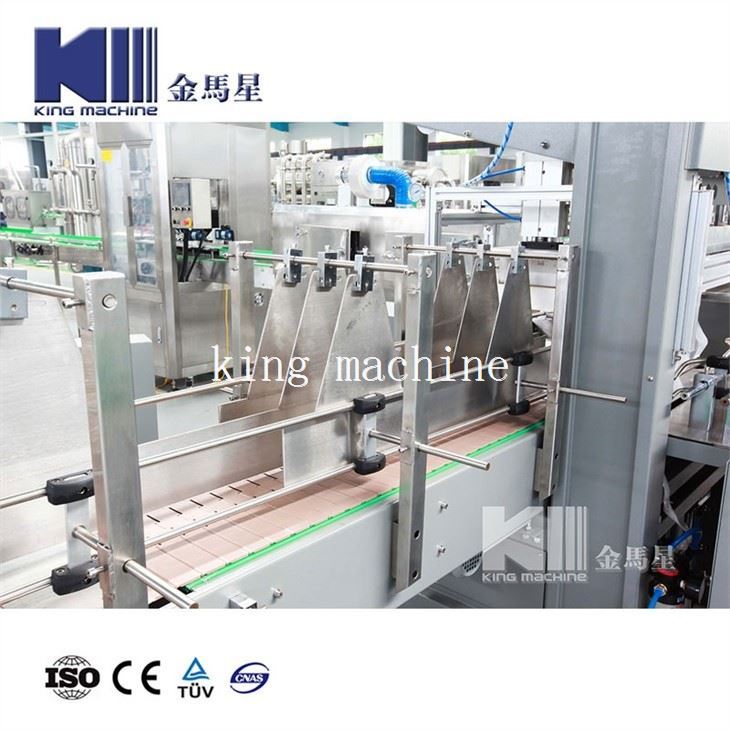
The conveyor belt is an integral part of the shrink wrapping machine, as it transports the products through the shrink tunnel. Conveyor belt problems can include uneven movement, slipping, or misalignment, which can cause the products to be positioned incorrectly or not move through the machine properly.
Uneven movement of the conveyor belt can be caused by several factors, including worn-out bearings, misaligned rollers, or a loose belt. Regular maintenance and inspection of the conveyor belt system can help identify and address these issues before they cause significant problems. Lubricating the bearings, adjusting the rollers, and tightening the belt as needed can help ensure smooth and even movement.
Slipping of the conveyor belt can occur if the belt is not properly tensioned or if there is debris or contaminants on the belt surface. Adjusting the belt tension and cleaning the belt regularly can help prevent slipping.
Misalignment of the conveyor belt can cause the products to be positioned incorrectly, leading to inconsistent shrinkage or seal issues. Checking and adjusting the alignment of the conveyor belt regularly can help ensure that the products are transported through the machine accurately.
5. Electrical Problems
Electrical problems can also occur with shrink wrapping machines. These can include issues with the power supply, wiring, or control panel. Electrical problems can cause the machine to malfunction or stop working altogether, resulting in downtime and lost productivity.
To prevent electrical problems, it's important to ensure that the machine is properly grounded and that the power supply meets the manufacturer's specifications. Regularly inspecting the wiring for any signs of damage or wear and replacing any faulty components can help prevent electrical issues.
The control panel of the shrink wrapping machine is responsible for regulating the various functions of the machine, such as temperature, conveyor speed, and sealing time. If there are issues with the control panel, it can cause the machine to operate incorrectly or not at all.定期维护和检查控制板,并由专业技术人员进行任何必要的维修或更换,可以帮助确保机器的电气系统正常运行。
Conclusion
Shrink wrapping machines are valuable tools for businesses in various industries, but they can experience common problems that can affect their performance and productivity. By being aware of these problems and taking proactive steps to prevent and address them, businesses can ensure that their shrink wrapping machines operate efficiently and effectively.
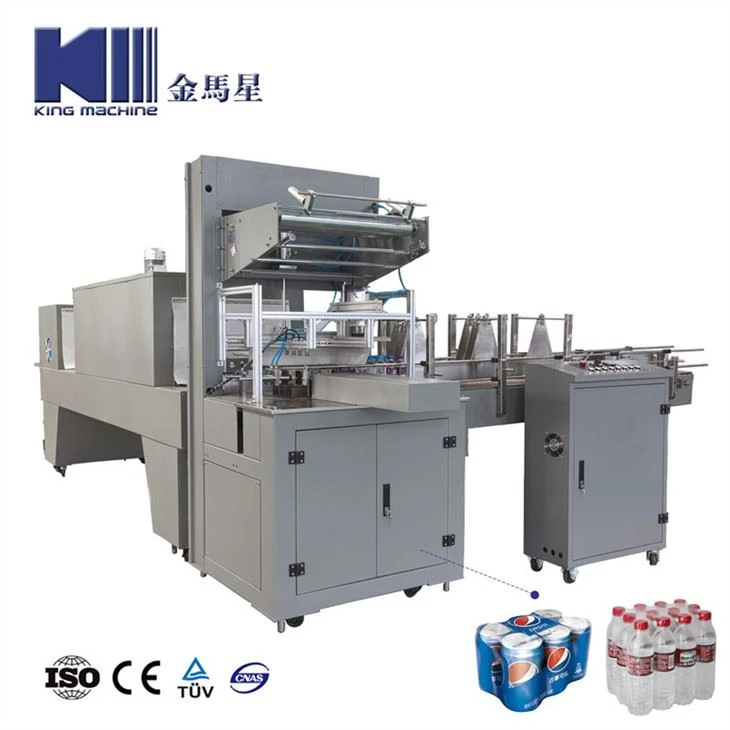
As a leading supplier of shrink wrapping machines, we offer a range of high-quality machines, including the Automatic Bottle PE Film Heat Shrink Tunnel Packing Wrapping Machine, PE Film Pad Cardboard Shrink Packing Shrink Wrapping Machine, and PE Film Shrink Wrapping Machine For Beer/Can Bottle. Our machines are designed to provide reliable performance and minimize the occurrence of common problems.
If you're experiencing issues with your shrink wrapping machine or are looking to purchase a new one, we're here to help. Contact us today to discuss your needs and find the perfect shrink wrapping solution for your business.
References
- Manufacturer's manuals for shrink wrapping machines
- Industry standards and best practices for shrink wrapping
- Technical literature on plastics and shrink films