

What is a semi - automatic filling machine?
In the world of manufacturing and packaging, filling machines play a crucial role in ensuring products are accurately and efficiently dispensed into containers. Among them, semi - automatic filling machines hold a unique position, offering a balanced solution between manual labor and fully automated production. This blog post aims to explore what a semi - automatic filling machine is, how it works, its advantages, applications, and why partnering with a reliable filling machine supplier, like us, is essential.
What is a Semi - Automatic Filling Machine?
A semi - automatic filling machine is a piece of equipment that combines some automated functions with manual intervention. Unlike fully automatic filling machines that can run an entire production line with minimal human input, semi - automatic models require operators to perform certain tasks during the filling process.
Typically, semi - automatic filling machines are used to fill a variety of products such as liquids, creams, pastes, and powders into containers like bottles, jars, cans, and tubes. They operate with a certain level of automation, such as controlling the filling volume, but still rely on human operators to load and unload containers, start the filling process, and perform other auxiliary tasks.
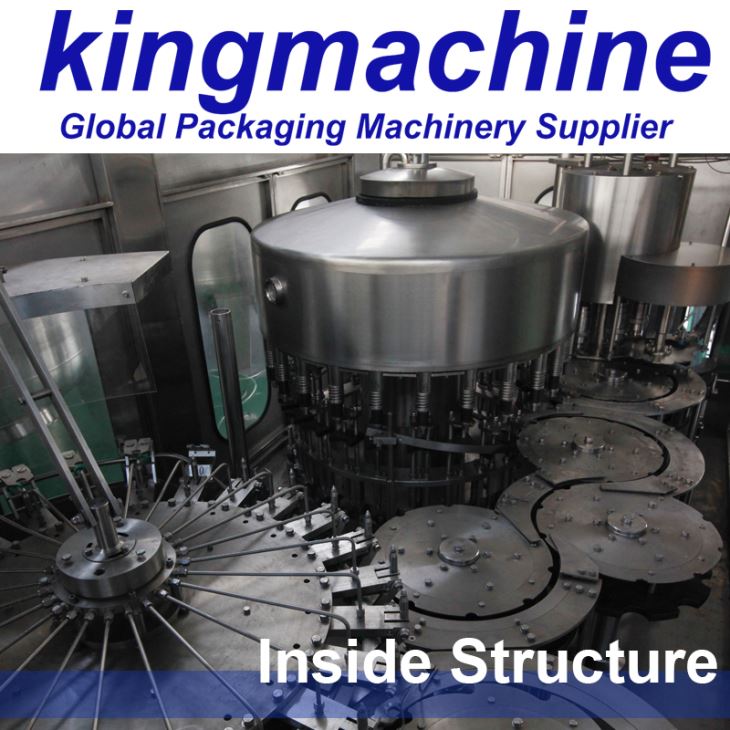

How Does a Semi - Automatic Filling Machine Work?
The working principle of a semi - automatic filling machine can vary depending on the type of product being filled and the specific design of the machine. However, there are some common steps involved in the process.
- Container Preparation: The operator manually places the empty containers, such as Pet Water Bottle Filling Capping Machine, onto the filling station. This step requires careful handling to ensure the containers are properly positioned for filling.
- Filling Volume Setting: The operator sets the desired filling volume on the machine's control panel. Modern semi - automatic filling machines often come with digital displays and adjustable settings, allowing for precise control of the filling amount.
- Filling Process Activation: Once the containers are in place and the filling volume is set, the operator activates the filling process, usually by pressing a button. The machine then pumps or dispenses the product into the containers according to the preset volume.
- Filling Completion: After the filling is complete, the operator removes the filled containers from the filling station and places new empty containers for the next cycle.
Advantages of Semi - Automatic Filling Machines
- Cost - Effectiveness: Semi - automatic filling machines are generally more affordable than their fully automatic counterparts. They require less initial investment, making them an attractive option for small and medium - sized enterprises or businesses with limited production budgets.
- Flexibility: These machines offer greater flexibility in terms of container size, shape, and product type. Operators can easily adjust the machine settings to accommodate different products and containers without the need for extensive reconfiguration.
- Ease of Use and Maintenance: Semi - automatic filling machines are relatively simple to operate and maintain. They do not require highly specialized technical skills, and routine maintenance tasks can be easily performed by in - house staff, reducing downtime and maintenance costs.
- Quality Control: With human operators involved in the process, there is an additional layer of quality control. Operators can visually inspect each container during the filling process, ensuring that the filling volume is accurate and there are no visible defects.
Applications of Semi - Automatic Filling Machines
Semi - automatic filling machines are widely used in various industries, including:
- Food and Beverage Industry: They are used to fill products such as juices, sauces, dressings, and dairy products into bottles, cartons, and cans.
- Cosmetics and Personal Care Industry: For filling creams, lotions, shampoos, and other beauty products into containers.
- Pharmaceutical Industry: Semi - automatic filling machines are used to fill tablets, capsules, and liquid medications into bottles and vials with a high level of accuracy.
- Chemical Industry: In the filling of household cleaning products, industrial chemicals, and lubricants.
Why Choose Us as Your Filling Machine Supplier?
As a professional filling machine supplier, we offer several key benefits to our customers.
- High - Quality Products: We are committed to providing high - quality Washing Filling Capping 3 - 1 Machine Manufacturer that are built to last. Our semi - automatic filling machines are made from premium materials and undergo strict quality control measures to ensure reliable performance.
- Customization Options: We understand that different customers have different needs. That's why we offer customization services to tailor our filling machines to your specific requirements, including filling volume, speed, and container compatibility.
- Technical Support and After - Sales Service: Our team of experienced technicians is always ready to provide technical support and assistance. Whether you need help with installation, operation, or maintenance, we are here to ensure your filling machine runs smoothly.
- Competitive Pricing: We offer competitive pricing without compromising on quality. Our goal is to provide cost - effective solutions that meet your production needs and budget.
Conclusion
Semi - automatic filling machines are a valuable asset for many industries, offering a cost - effective, flexible, and reliable solution for filling products into containers. As a trusted filling machine supplier, we are dedicated to providing high - quality High Quality Automatic 3 in 1 Pure Mineral Water Filling Machine and excellent customer service.
If you are interested in learning more about our semi - automatic filling machines or have any specific requirements for your production line, we encourage you to contact us for a detailed discussion. Let's work together to find the best filling solution for your business.
References
- "Packaging Machinery Handbook" by Charles P. Raush
- "Filling and Packaging Technology" by various industry experts